Fieldnote 03 · Home activities
A rainy-day reserve
Keep a few things ready for the afternoon that changes shape. Nothing here needs a finished result, a new hobby or a cupboard full of equipment.
- 15–60 minutes
- Seated options
- Stop at any stage
Set out one small invitation
Choose a surface you can use comfortably and put out the materials for one activity. A pencil beside paper is enough. Avoid turning the room into a project before you begin; clearing an entire desk can consume the energy you hoped to spend making something. If space is shared, a tray, folder or shallow box lets you move the activity without dismantling it.
Think about stopping as well as starting. Dry materials are often easier to pause than wet paint or a complicated recipe. If you are supervising children or providing care, choose something you can leave safely when needed. Keep your phone available for essential calls, communication tools and reminders. Silence optional alerts if you wish, but do not make being unreachable a condition of the afternoon.
Fold a little book
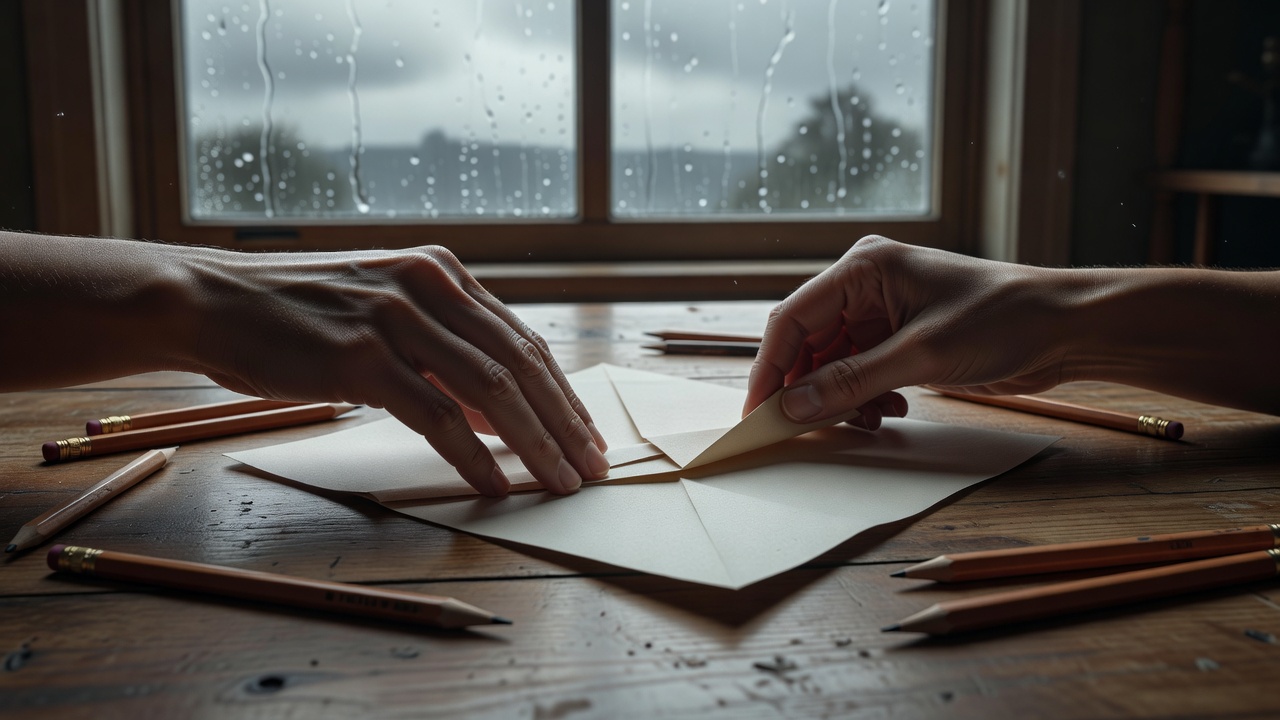
Take a few sheets of scrap paper, fold them in half and nest them together. You now have a small booklet without needing a particular binding technique. Number the pages if that helps. Give each page a modest job: something noticed outside, a meal you enjoy, a word someone used, a sketch of a mug. Leave some pages empty. An unfinished booklet is still a place to put things.
Small kit: scrap paper · pencil or broad-grip pen · optional clips.
If drawing is not appealing, make lists, rub a pencil over a textured surface or arrange pieces of coloured packaging. For ideas to look up beforehand, the Victoria and Albert Museum, the Crafts Council and OrigamiUSA provide routes into making and paper craft. Choose a simple reference rather than an endless sequence of tutorials. You can also describe a page aloud to someone who writes or draws with you.
Read in a way that fits today
Pick something short enough to enter without remembering a complicated plot: a poem, a familiar chapter, a recipe introduction or a few pages of an essay. Read silently, take turns aloud or listen to an audiobook with the screen put aside. Large print, braille, audio and text-to-speech are valid ways to spend time with a book. An assistive device is not a loophole you have to justify.
Borrowing can make this activity inexpensive. The Reading Agency offers reading ideas, and Project Gutenberg provides public-domain reading material; check the copyright position where you live before reusing a text. A previously downloaded story can be useful preparation. If paper is your preference, ask a library about suitable formats rather than buying a book simply to make the afternoon feel more offline.
Make or mend one ordinary thing
Choose a task with a visible edge: attach one loose button, sort a small tin of fixings or mend a short seam you already know how to handle. Work in suitable light and use tools you can manage safely. If the task is unfamiliar, save it for a time when you can get reliable instruction. Screen-free time is not a reason to guess at electrical repairs, sharp tools or a safety-critical job.
Repair Café International can help you understand community repair events, while the Heritage Crafts website offers context for traditional skills. These references are invitations to investigate, not promises that an event is available nearby. A no-tools alternative is arranging a small collection, pairing socks or designing a repair on paper. Choose the version that feels engaging rather than another compulsory chore.
Let something familiar be enough
Prepare a snack or a meal you already know, if cooking is comfortable and practical for you. Write the steps on paper beforehand if the recipe normally lives on a screen. Take account of allergies, safe food handling and the people who will eat it. A cold plate or a ready-made meal can fit the afternoon just as well. The goal is not to prove that everything tastes better when it takes longer.
When you stop, put away only what needs attention: food, sharp items, glue or borrowed materials. Leave a harmless unfinished page ready for another day if your space allows. Ask what you would willingly do again, not what you achieved. Rain may have changed the location of your weekend, but it does not have to turn the day into either a productivity challenge or a waiting room.