Fieldnote 02 · Local discovery
A nearby Saturday
Go somewhere you can return from easily. A good outing can fit between two care tasks, follow a familiar pavement or end at the first comfortable seat.
- 20–90 minutes
- Walking, wheeling or public transport
- Free route possible
Choose one anchor
An anchor is a single reason to go out: return a library book, look at a public garden, buy bread or sit in a square. Give the outing one anchor rather than five attractions. That leaves room for a slow crossing, a closed door or a conversation without making the day feel delayed. Choose somewhere near enough that turning back early remains a sensible option.
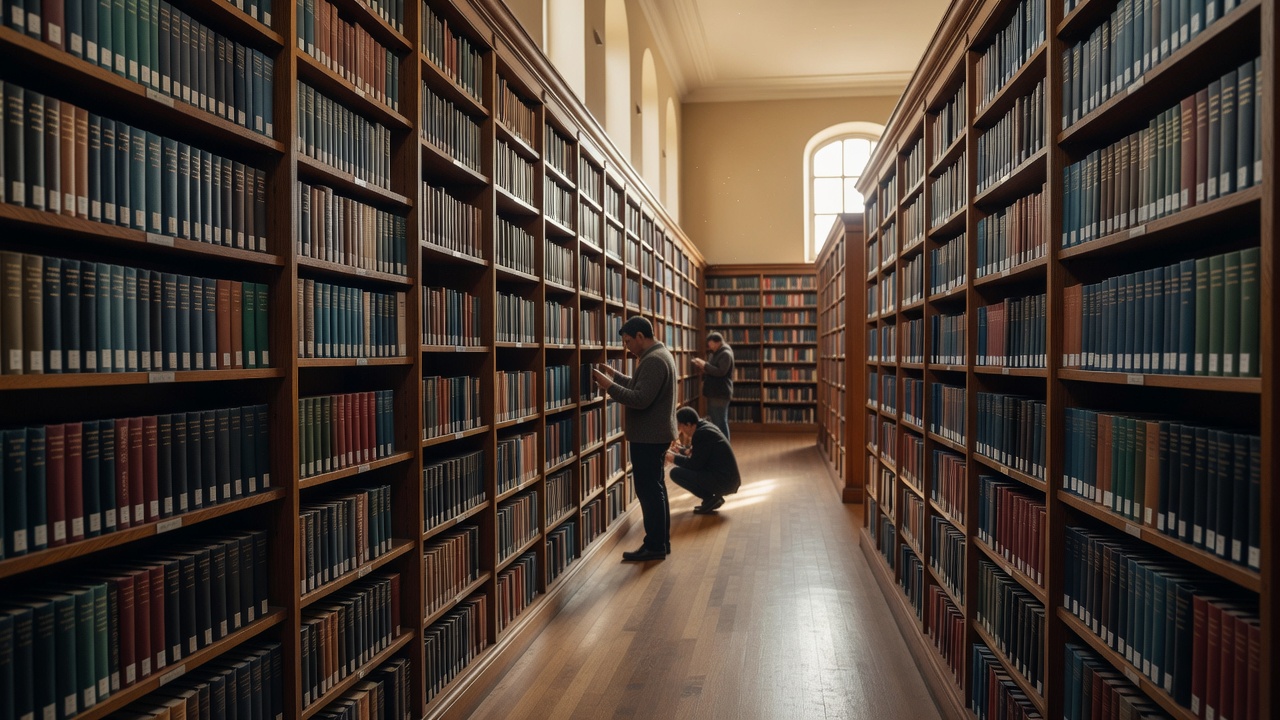
A library makes a useful starting point because browsing can be its own activity. In Oviedo, the Biblioteca de Asturias Ramón Pérez de Ayala is a real place to research before a visit. Elsewhere, search your municipal library service rather than assuming every branch has the same facilities. Confirm current opening arrangements, membership rules and access information. Do not build the whole outing around an unverified event listing.
Draw an out-and-back line
Write down the anchor, one possible pause and the return route. An out-and-back journey is often easier to shorten than a loop: you know which part you have already managed. If distance is not a helpful measure, plan by time or by landmarks. “To the second crossing, then decide” can be more useful than a kilometre target. Include the energy you need after arriving home, not just the energy available at the door.
For route ideas, Ramblers provides walking information, Living Streets focuses on everyday walking, and OpenStreetMap can help you inspect local connections. These are starting points, not guarantees about surface condition or accessibility. A dropped kerb, working lift, accessible toilet or reliable bench may matter more than distance. Check the details that affect your journey.
Give familiar streets a small question
A question changes an ordinary route without making it a scavenger hunt. Where is the oldest-looking shop sign? Which doorway has a plant? Where could two people sit without buying anything? Notice what is comfortably available to your senses. You can attend to sound, temperature, texture or the rhythm of passing traffic rather than visual detail. There is no checklist to complete and no need to record every discovery.
In Oviedo, Campo de San Francisco and Plaza del Fontán offer examples of a park or square as an anchor, not promises of a particular experience. In another city, a modest community garden or the space outside a local library may serve the same purpose. For broader public-space ideas, the Project for Public Spaces offers useful perspectives. The aim is to notice your own neighbourhood, not to travel far enough to imitate somebody else’s.
Put the pause in the plan
Decide where you can stop before you need to stop. A seat, sheltered doorway where waiting is permitted, café or library reading area may be suitable, depending on your needs and budget. Carry water if appropriate and do not assume there will be a public toilet. If you are bringing children, make the pause an activity rather than a reward for moving quickly: a snack, a story or watching a delivery vehicle can be enough.
Small kit: water · weather layers · written destination · return fare if needed · essential access equipment.
If leaving home is not possible, shrink the exploration rather than abandoning it. Look from a window, spend time in a shared courtyard or ask a visitor to bring a leaf, a local notice or a description of their route. A nearby Saturday is about a change in attention, not a minimum distance travelled.
Come home before it becomes a test
Turn back while the return still feels manageable. You do not owe the plan a longer route because the weather is pleasant or someone else wants to carry on. If you are with others, agree in advance that shortening the outing is an ordinary option. Pick a clear meeting point and time if the group separates, and allow phone use to resolve any uncertainty.
At home, write one useful detail: a comfortable seat, an awkward crossing, a quiet corner or a place worth checking again. An inexpensive local notebook can become a personal access and enjoyment guide over time. Keep observations specific to your visit, since conditions change. Then put the notebook down. The outing does not need photographs, statistics or an online account to have happened.